

Sustainable Packaging Innovations: Beyond Glass Bottles in the Wine IndustrySustainable Packaging Innovations: Beyond Glass Bottles in the Wine Industry
For centuries, glass bottles have defined the wine industry. They symbolize tradition, aging potential, and ritual in every winery. Yet glass production and transportation carry environmental costs. Heavyweight increases emissions during shipping. Manufacturing requires high heat and energy. As sustainability becomes central to consumer and producer priorities, the industry is rethinking its packaging choices. Innovation is moving quickly. Winemakers are exploring alternatives that reduce carbon footprints while protecting product quality within each winery setting. These changes are not about abandoning heritage. They are about balancing environmental responsibility with performance and market acceptance.
The Carbon Footprint of Traditional Glass
Glass bottles are durable and recyclable. However, recycling systems vary by region. Not all bottles return to production cycles. The energy required to melt and reform glass remains significant even when recycled materials are used. Transportation also matters. Wine is often exported across continents. Heavy bottles increase fuel consumption at every stage. When multiplied by millions of cases, the environmental impact becomes substantial. Producers are analyzing lifecycle assessments more carefully. Data shows that packaging can account for a large share of a wine’s total emissions. That realization is pushing brands to experiment with lighter materials and new designs.
Lightweight Glass and Design Efficiency
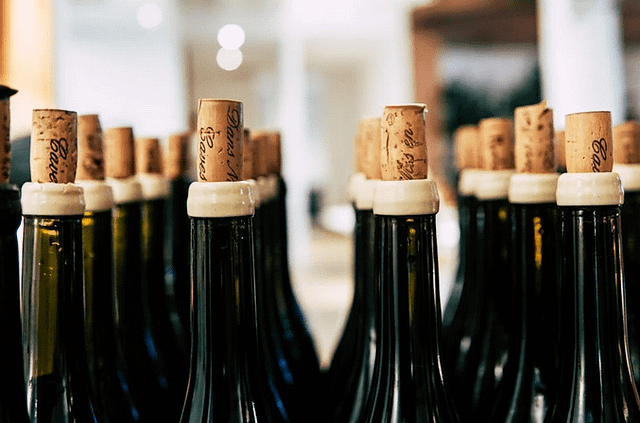
One of the earliest responses to sustainability concerns has been lightweight glass by reducing bottle thickness, wineries lower shipping weight without eliminating familiar presentation. This approach requires engineering precision to ensure durability during transport. Lightweight bottles maintain traditional aesthetics while reducing emissions. Many consumers do not notice the difference in hand. Yet the cumulative savings in logistics are meaningful. Design efficiency also includes reshaping bottles for stacking and storage. Optimized forms can increase shipping density. This reduces the number of transport trips required. Small adjustments at scale produce measurable environmental gains.
Alternative Materials and Formats
Beyond lighter glass, the industry is embracing alternative materials. Aluminum cans have gained attention. They are lighter than glass and highly recyclable in many markets. Cans also chill quickly and appeal to younger demographics. Paper-based bottles are another innovation. These combine recycled fiber shells with thin liners. The outer structure lowers weight and reduces reliance on traditional glass production. Early adopters are testing durability and shelf life performance. Bag-in-box formats continue to evolve. Once associated with low-cost wine, modern versions focus on quality and extended freshness after opening. The inner bladder limits oxygen exposure.
Closures and Secondary Packaging
Sustainability extends beyond the primary container. Closures and outer packaging influence environmental impact. Natural cork remains renewable and biodegradable. At the same time, some producers use recycled synthetic closures to reduce material waste. Screw caps have improved over time. They offer consistent sealing and are easier to recycle when paired with aluminum bottles or caps. The debate between cork and alternative closures increasingly includes environmental considerations alongside tradition. Secondary packaging is evolving as well. Cardboard cases made from recycled content are becoming standard. Some wineries eliminate decorative wooden boxes for routine shipments. Minimalist labeling reduces ink and chemical use.
Consumer Perception and Market Adaptation

Packaging innovation must align with consumer expectations. Wine carries cultural weight. Presentation influences perceived quality. Some buyers still associate heavy bottles with premium value. Education plays a critical role. Brands that communicate environmental benefits clearly can shift perceptions. Transparency about materials and lifecycle impact builds trust. Younger consumers often show openness to new formats. They value convenience and environmental responsibility. Canned wine and paper bottles reflect changing lifestyle patterns. Outdoor events and casual gatherings support alternative packaging acceptance. Retailers also influence adoption. Shelf space allocation and marketing support determine visibility. As sustainability becomes mainstream, more stores highlight eco-friendly options. Market signals encourage further experimentation.
The Future of Sustainable Wine Packaging
The transition away from exclusive reliance on glass is gradual. It involves testing, feedback, and adaptation. No single solution fits every wine style or market. Premium aging wines may still rely on glass for long-term storage. Everyday wines, however, present greater flexibility. Technology will continue to refine materials. Improved liners, stronger lightweight composites, and advanced recycling processes are under development. Data analysis will help producers measure environmental savings more precisely.
Collaboration across the supply chain is essential. Producers, distributors, retailers, and consumers must align. Sustainable packaging succeeds when supported at each …


 In this day and age of digital media, being open to new technologies is a must if you want to be successful in politics. It’s no longer enough just to distribute flyers or hold press conferences–you need to embrace the digital era and find ways to use technology to get your message out there. From digital ads to social media campaigns, take advantage of every tool available to you to spread your message as widely as possible. Politicians don’t just have to rely on traditional media outlets anymore–they can also use digital platforms to reach more people.
 Another way to connect with your customers is to get social. This means being active on social media and engaging with your customers. Share their content, leave comments on their posts, and tag them in your own posts. This will help you build a relationship with them and make them more likely to do business with you.
 It is important to listen to your customers and find out what they want. You can do this by conducting surveys, sending out questionnaires, or simply talking to them. This feedback can be extremely valuable in helping you improve your business.
 Most business owners who end up frustrated with their POS software are the ones who did not do enough research before making the purchase. A simple Google search will give you plenty of options to choose from. You can request free demos and consultations from the ones you have selected. Based on the demos, you will choose the platform that best suits your business needs.
 It is not enough to buy a POS system that records sales transactions. To run your business profitably, you need actionable information. With this knowledge’s help, it is manageable to figure out things that work best and run your business. Support alternatives are crucial for any hardware or application. Therefore, make sure that your provider offers support options that meet all your needs. You can do this by buying a plan that does not provide a detailed sales report.

 Mobile Wi-Fi Hotspot